Home / News / Managing Real-Time Concurrency: Scaling Server Load During Peak Casino Traffic
Managing Real-Time Concurrency: Scaling Server Load During Peak Casino Traffic
Learn how auto-scaling cloud infrastructure and efficient load balancing maintain zero-latency gameplay during peak casino traffic.
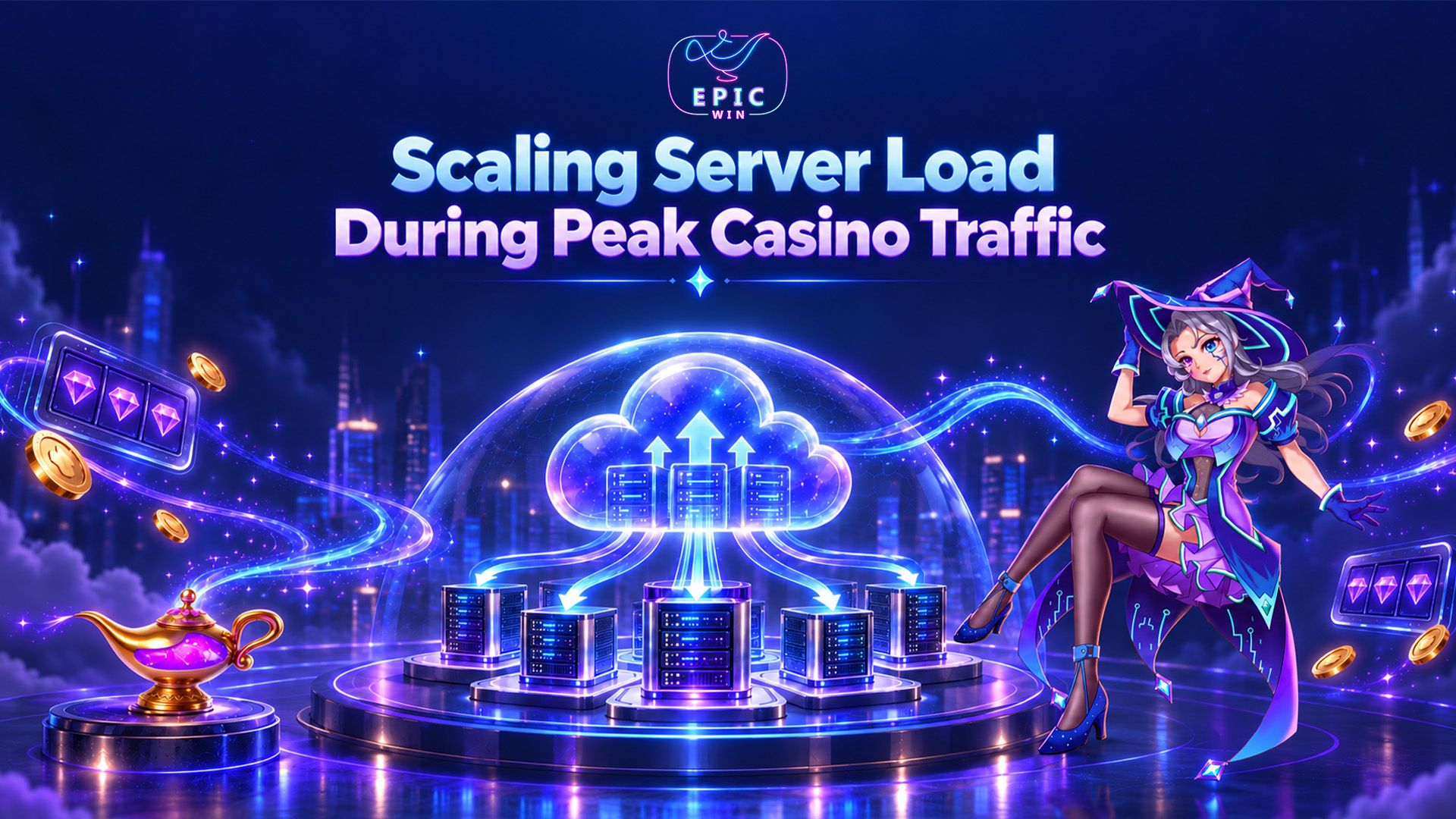
For online casino operators, high-volume player surges represent both maximum revenue potential and significant operational risk. During major promotional events, jackpot drops, or weekend evening peak hours, thousands of active players simultaneously send spin requests, trigger bonus features, and execute wallet transactions. When backend systems fail to handle these sudden concurrency spikes, severe latency, spin time-outs, and system crashes inevitably follow. For B2B operators, preventing performance degradation during periods of high casino traffic requires a resilient, auto-scaling backend infrastructure engineered to process massive transaction volumes without dropping a single spin.
The Risks of Unmanaged Concurrency Spikes
When player concurrency surges beyond a server network's structural capacity, the immediate consequence is increased latency across all active sessions. In an industry where players expect sub-second reel spins and instant balance updates, even a minor delay in backend response times triggers frustration and early session exits. Worse still, server crashes during active bonus rounds or feature-buy sequences cause transaction drop-offs and compromise system credibility, resulting in expensive player compensation claims and lost Gross Gaming Revenue (GGR). To protect operational margins and preserve player trust, platform architectures must be built to dynamically absorb sudden surges in casino traffic without sacrificing processing speed.
Architectural Strategies for High-Volume Scaling
Managing heavy real-time concurrency requires moving away from rigid, single-server setups toward elastic cloud-native infrastructure. Utilizing distributed microservices deployed across containerized clusters allows backend systems to isolate high-demand functions—such as Random Number Generator (RNG) processing, game state verification, and player wallet calls—so they scale independently. Combined with intelligent load balancers and horizontal auto-scaling, the system automatically provisions additional server nodes the moment bandwidth thresholds are reached. This distributed elasticity guarantees that server resources expand seamlessly alongside rising player volume, ensuring zero-latency execution regardless of concurrent user density.
Preserving Revenue and Operator Stability Under Peak Load
For B2B software providers and casino operators, backend resilience directly translates into balance sheet stability. Maintaining uninterrupted operational stability during peak traffic windows ensures that operators capture maximum wagering volume when player intent is highest. Furthermore, implementing efficient database caching layers and optimized API protocols reduces overall server bandwidth overhead, lowering operational infrastructure costs while maintaining peak performance. Partnering with a content provider committed to robust backend scalability equips operators with the reliability needed to execute aggressive player acquisition campaigns and scale their platforms with absolute confidence.
← Back to all news